WAGeo Lab Partners BGS, CSIR-CRI, CIAT to Advance Geophysics for Climate-Smart Agriculture in Africa
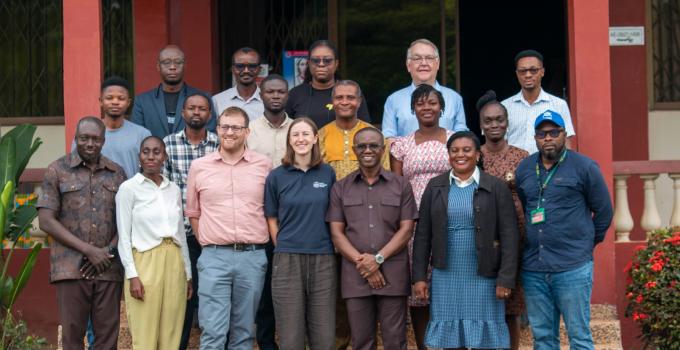
The West Africa Geophysics (WAGeo) Lab, KNUST, is partnering with the British Geological Survey (BGS), the CSIR-Crops Research Institute, the University of Nottingham, the Alliance of Bioversity International and the International Centre for Tropical Agriculture (CIAT) on a project that will apply geophysical techniques to improve understanding of soil water dynamics and support climate-resilient agriculture in Africa.
The Geophysics for Climate-Smart Agriculture in Africa project, funded by UKRI-STFC, seeks to generate scientific evidence on how climate-resilient agricultural interventions influence crop productivity, groundwater availability and greenhouse gas emissions.
It will also strengthen technical capacity in soil physics and geophysics across the continent, with a focus on training early-career researchers and promoting gender equity in science.
As part of the project, researchers will develop and deploy low-cost Electrical Resistivity Tomography (#ERT) monitoring systems at experimental fields of the CSIR-Crops Research Institute in Ghana.
The systems will provide continuous measurements of soil water movement beneath the surface, enabling scientists to evaluate agricultural practices such as crop residue management, conservation tillage and intercropping.
The project will combine geophysical monitoring with agronomic research to better understand how these climate-resilient interventions affect soil moisture, water availability and crop performance under changing environmental conditions.
The findings are expected to inform research, policy and agricultural practices aimed at improving food security and sustainable land management across Africa.
The partnership also seeks to build long-term collaboration among African and international researchers by advancing expertise in geophysics and soil science while expanding opportunities for young scientists to participate in interdisciplinary research.
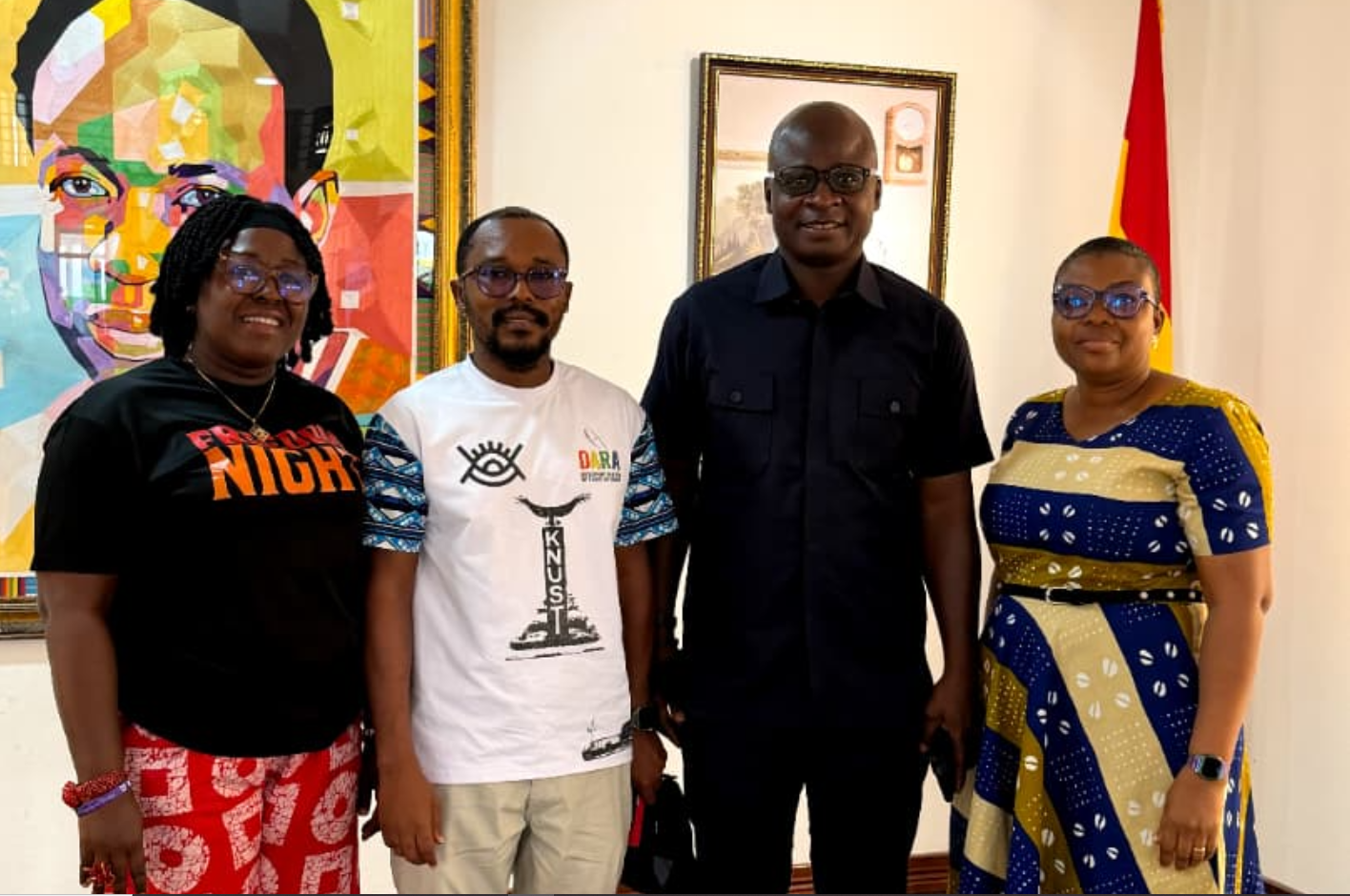
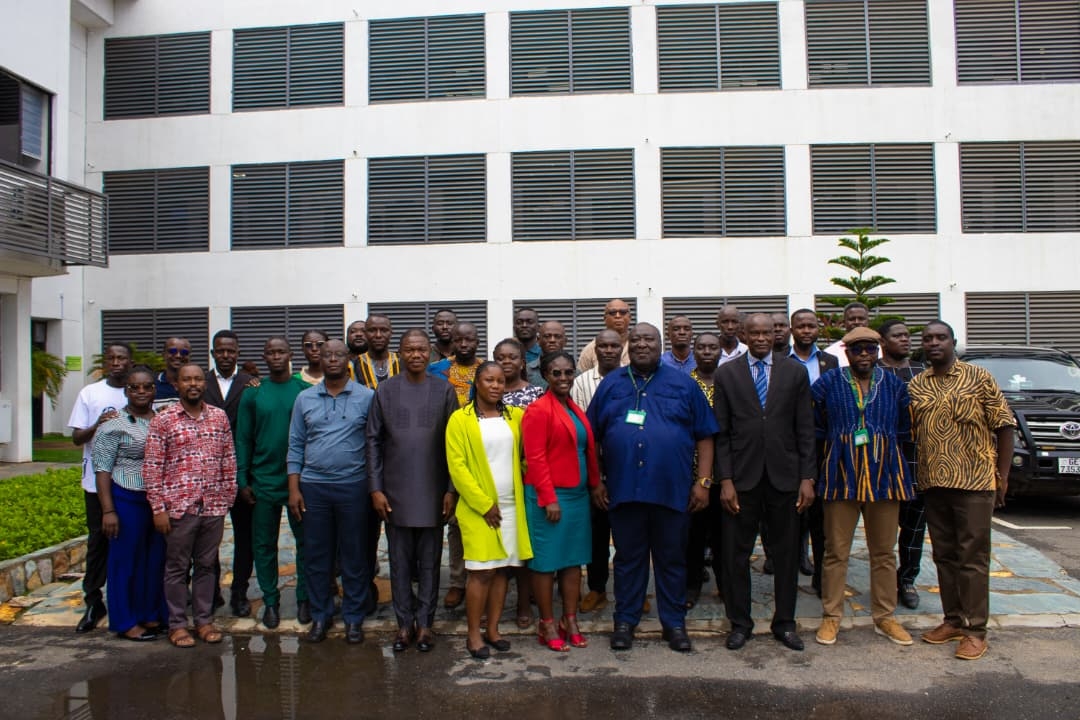
The project was officially kicked off at the CSIR-Crops Research Institute, where researchers from all partner institutions met to review the project's objectives, agree on implementation plans and outline the next phase of activities, including the construction, installation and testing of the Electrical Resistivity Tomography (ERT) monitoring systems.
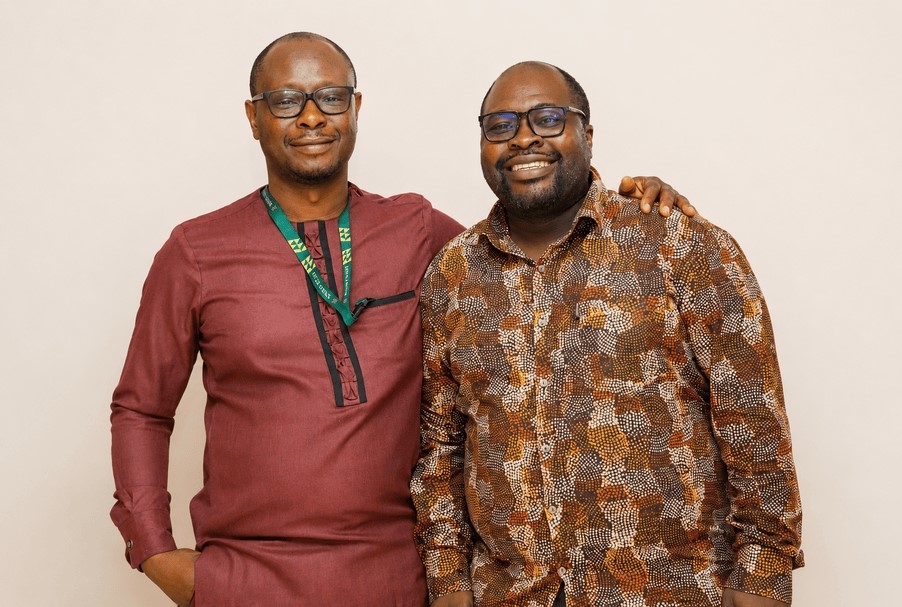
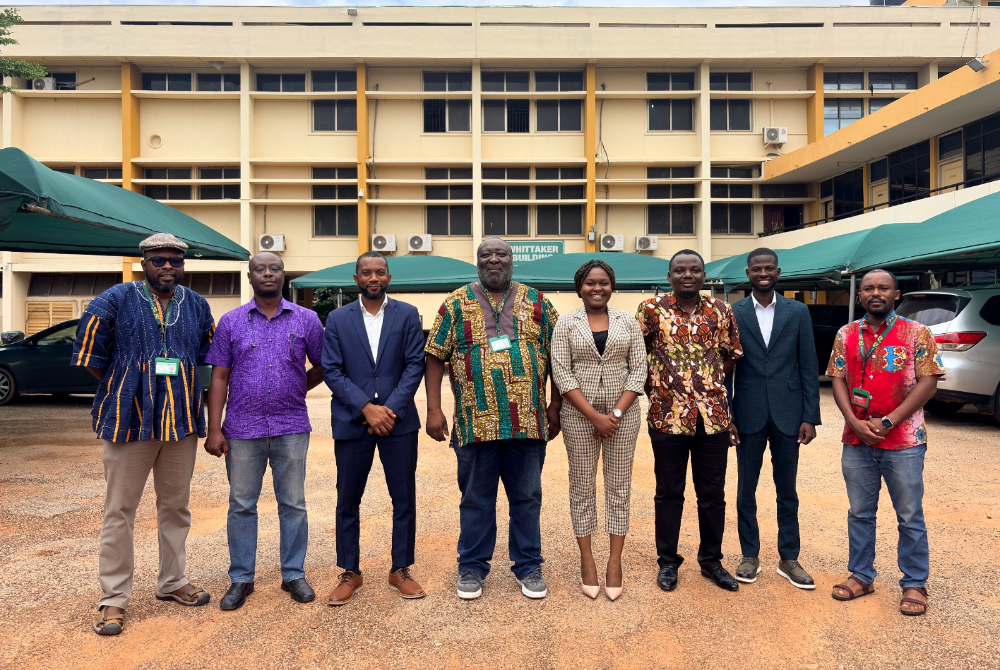
The project team includes Cyril D. Boateng (PhD) and Michael Kweku Edem Donkor; Oliver Kuras, Russell Swift and Judith Porter (British Geological Survey); Murray Lark (University of Nottingham); Elikplim Dzikunuoo (University of Ghana); Stephen Yeboah and Kweku Onwona-Hwesofuor Asante (CSIR-Crops Research Institute); and Patricia Amankwaa-Yeboah (Alliance of Bioversity International and CIAT).