Physics and Machine Learning for Women’s Health Project Introduces Girls to Research at WiSTEMGh Camp
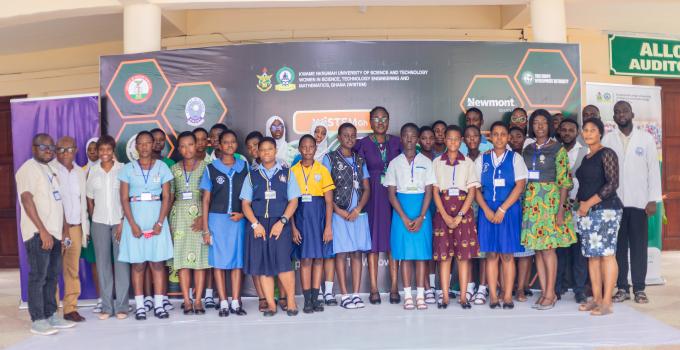
The “Capacity Building in Sub-Saharan Africa via Core Physics (Spectroscopy) + Machine Learning for Women’s Health Equity” project at the Department of Physics, KNUST is introducing Senior High School girls participating in the 2026 Women in Science, Technology, Engineering and Mathematics Ghana (WiSTEMGh) Girls’ Camp to applications of physics and artificial intelligence in women’s health.
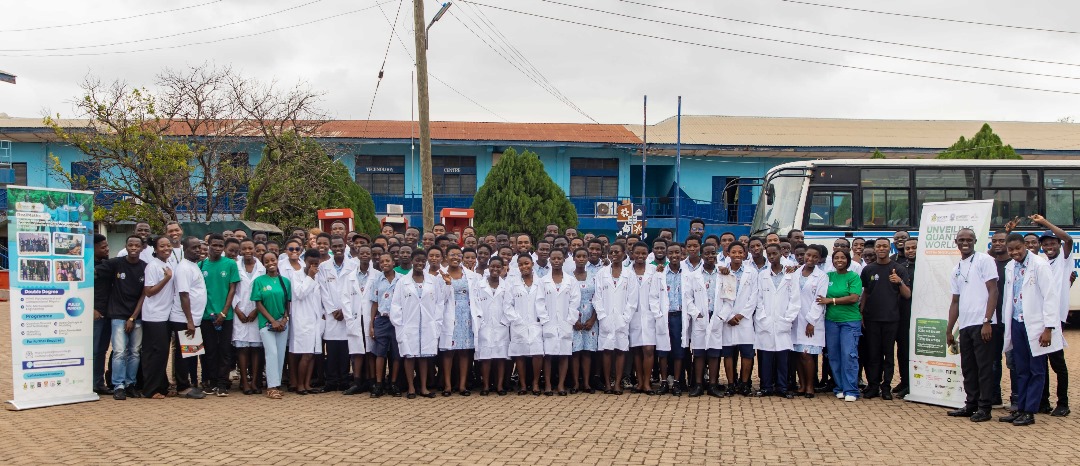
Led by Dr. Christiana Subaar, the UKRI-funded project is engaging 24 selected students from the 320 girls attending the WiSTEMGh camp at KNUST from October 4 to 9, 2026.
The engagement forms part of the project’s broader objective of building capacity in core physics, spectroscopy, machine learning and related technologies in Sub-Saharan Africa.
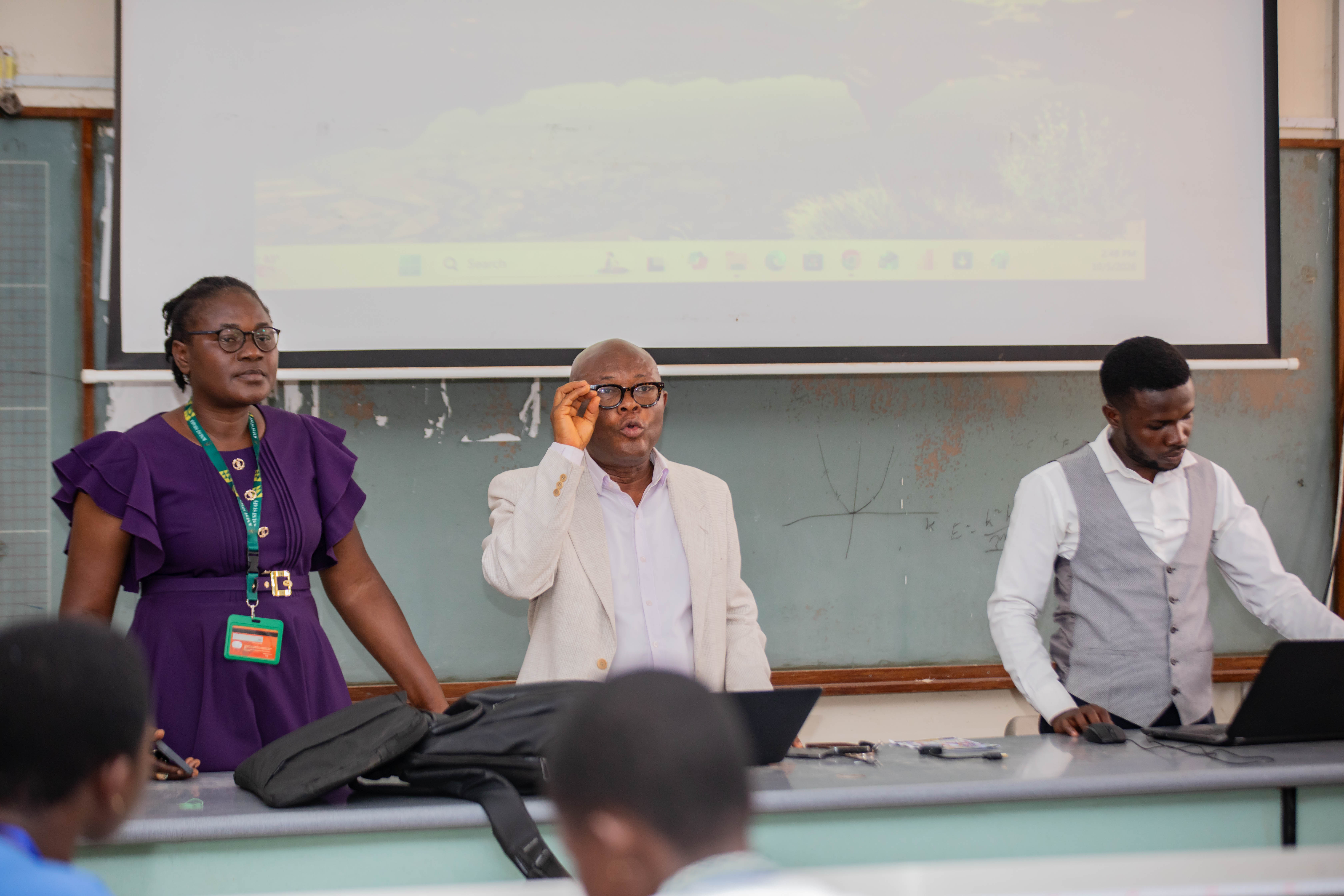
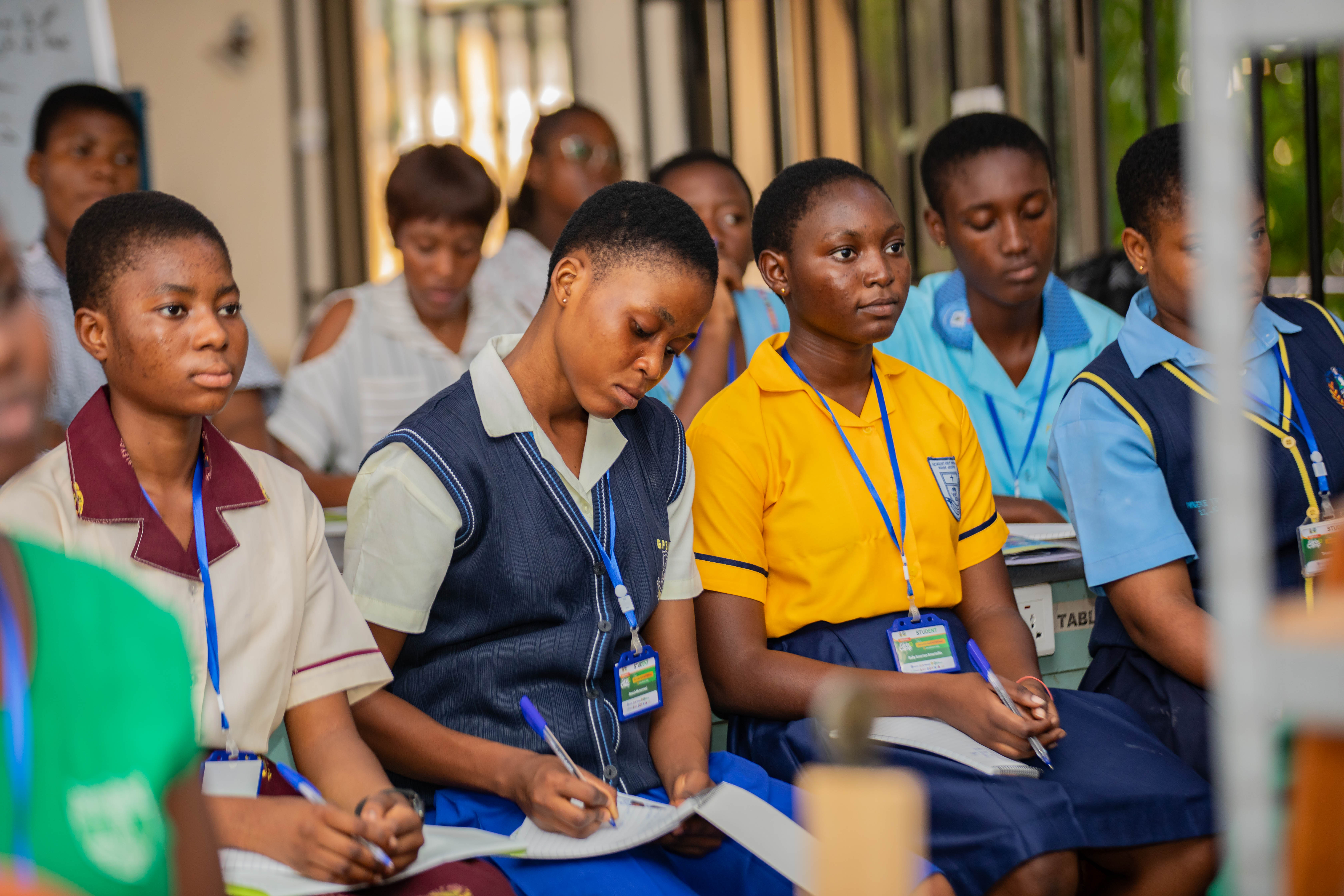
Through practical sessions and the project’s educational comic book, “The Light Detectives”, the students are being introduced to spectroscopy, which uses light to study the composition and properties of materials, and machine learning, which can be applied to analyse scientific data and support medical diagnosis.
The sessions are designed to help the students understand how concepts in physics and computing can be applied to health challenges, while exposing them to possible pathways in scientific research and innovation.
The project seeks to build sustainable research capacity by empowering early-career researchers, particularly women, to apply core physics to women’s health equity. A key research objective is the development of a low-cost, disposable diagnostic platform for the early detection of ovarian cancer and endometriosis.
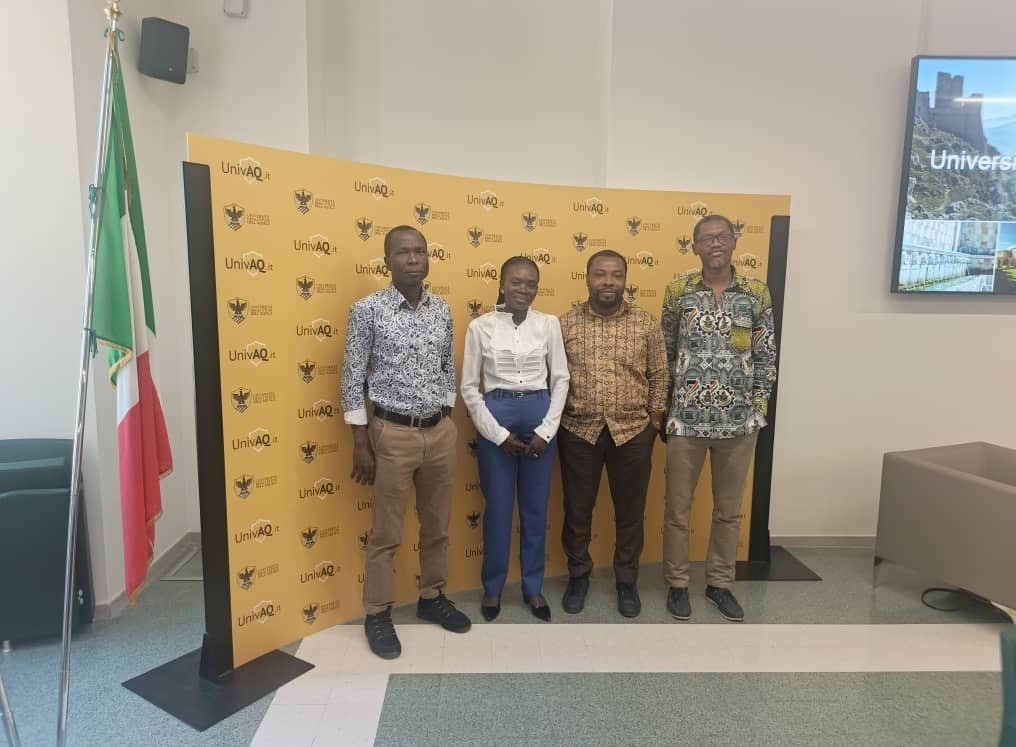
Funded through the UK Research and Innovation (UKRI) framework, the project is led by the University of Southampton, with the University of Dar es Salaam, University of Cape Coast and Nelson Mandela African Institution of Science and Technology as partners.
The engagement at WiSTEMGh extends the project’s capacity-building focus to young learners, giving participants an opportunity to encounter spectroscopy, machine learning and their applications in healthcare at an early stage of their STEM education.
For the students, the sessions provide a practical perspective on how physics and emerging technologies can intersect with healthcare, while reinforcing the possibilities for women to contribute to research and innovation in science.