MCP Unit Team Excels at Mini-ASESMA 2026 with Outstanding Poster Awards
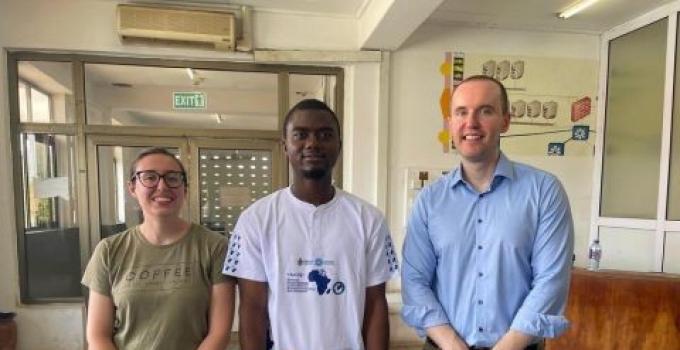
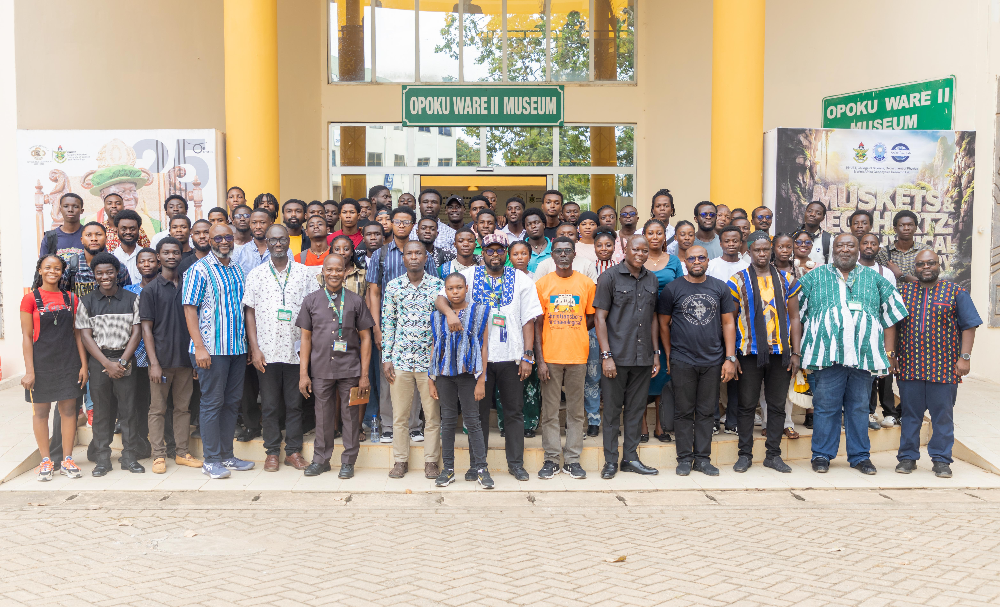
A six-member team from the Mathematical and Computational Physics (MCP) Unit of the Department of Physics at the College of Science, KNUST has successfully completed the two-week mini-ASESMA 2026 School, returning with valuable research experience and outstanding recognition.
Held at the University of Ghana Computing Systems (UGCS) Building in Accra, the intensive training programme brought together early-career researchers from across Ghana and beyond to deepen their knowledge of electronic structure methods and their applications in materials science.
The school featured lectures, practical computational sessions, hands-on tutorials, poster presentations and flash talks designed to strengthen participants' research capacity.
Throughout the programme, members of the MCP Unit actively participated in the academic sessions and presented research on computational approaches to addressing environmental and materials science challenges.
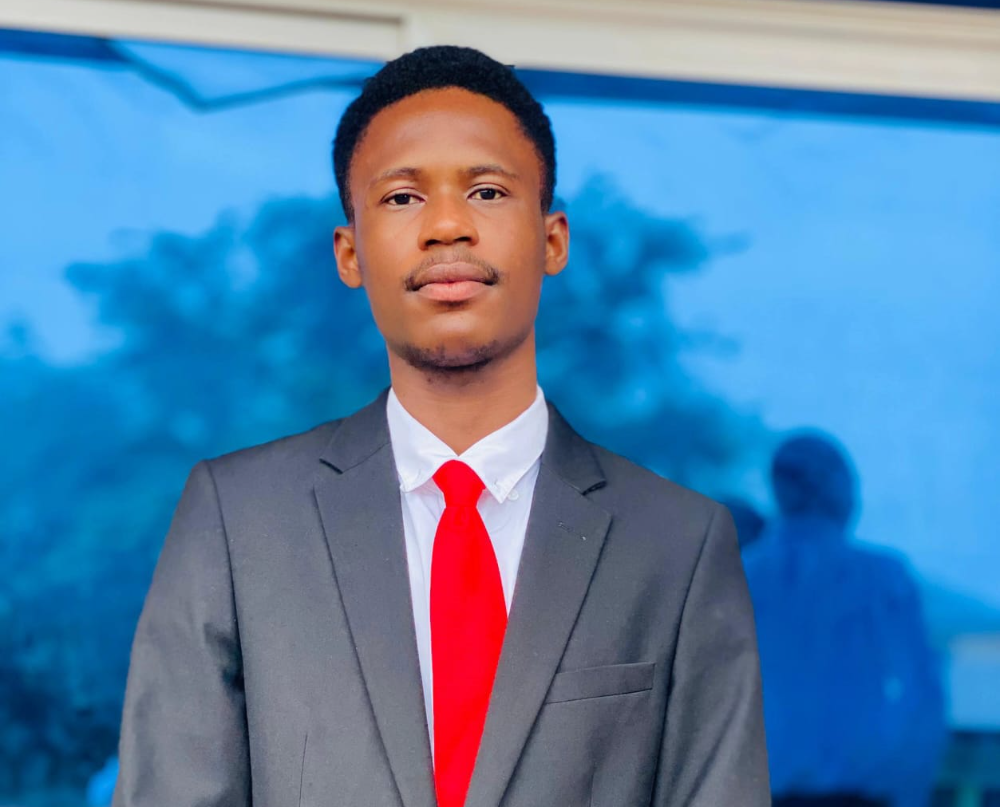
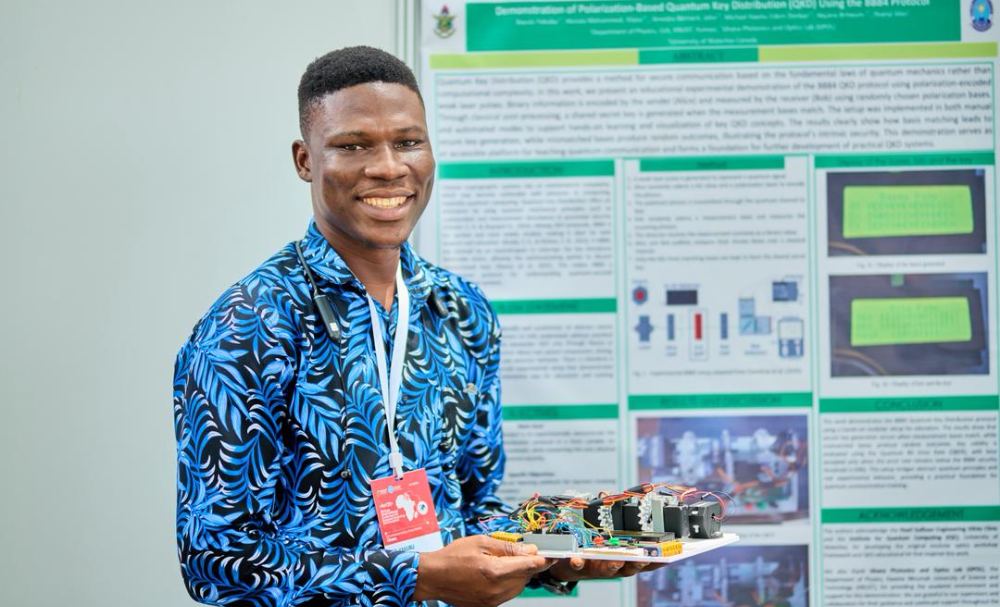
Among the team's notable achievements were Outstanding Poster Awards. Abdul Rahman Mohammed received the award for his presentation titled ‘A Systematic Review on Zr-MOFs for Hg²⁺ and CN⁻ Removal from Galamsey Water’, while Ashraf Muhammad Mahey was recognized for his work, ‘Machine Learning for Metal-Organic Frameworks in Water Treatment: A Systematic Review of Predictive and Design Approaches.’
Another team member, Justice Kwabena Sarfo, presented ‘A Systematic Review on DFT Investigation of Hybrid MOFs for Endocrine Disruptor Removal’, contributing to discussions on computational strategies for sustainable water treatment technologies.
The team's participation reflects the Department of Physics' growing commitment to advancing research excellence in computational physics, materials science and environmental sustainability through international collaboration and capacity building.
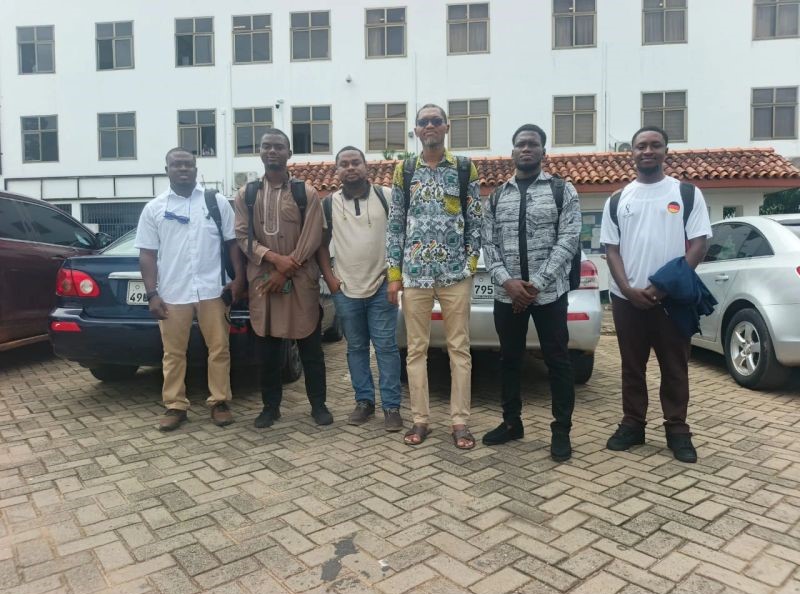
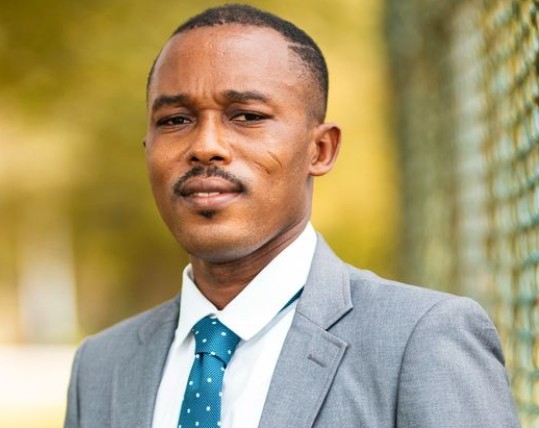
The MCP Unit led by Dr. Henry Martin expressed appreciation to the organisers, led by Dr. Gebreyesus Gebremedhn Hagoss, Dr. Iurii Timrov, Prof. Michele Pavanello and the entire mini-ASESMA team, for delivering a rigorous and impactful training programme.
The participants also acknowledged the collaborative environment fostered among researchers from different institutions, describing the experience as an opportunity to build lasting professional networks while gaining practical skills to enhance their research.
The successful participation and recognition of the MCP Unit team underscore the College of Science's continued pursuit of excellence in research, innovation and postgraduate training.