MCP Unit Annual Meeting Strengthens Collaboration and Research Direction Among Postgraduate Students
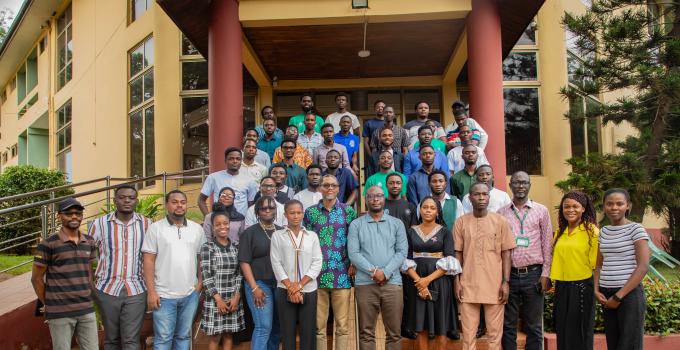
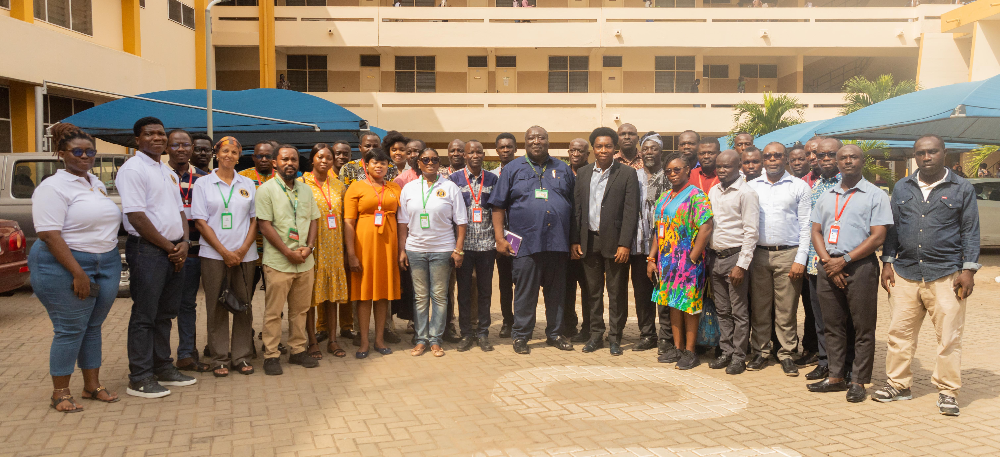
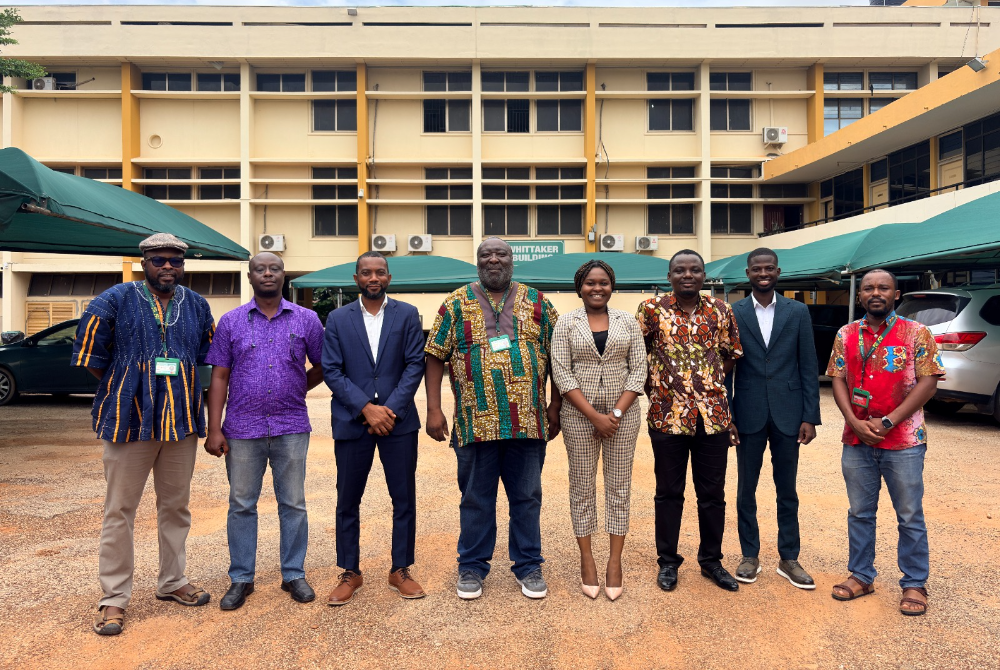
The Mathematical and Computational Physics (MCP) Unit of the Department of Physics, KNUST has held its annual meeting to review postgraduate research, strengthen collaboration and discuss the Unit’s future direction.
The meeting brought together MPhil and PhD students, supervisors and faculty members for a day of research presentations and discussions on emerging areas of mathematical and computational physics. Students presented updates on their research, providing an opportunity for supervisors and colleagues to examine their approaches, exchange ideas and identify opportunities for collaboration across different specialisations.
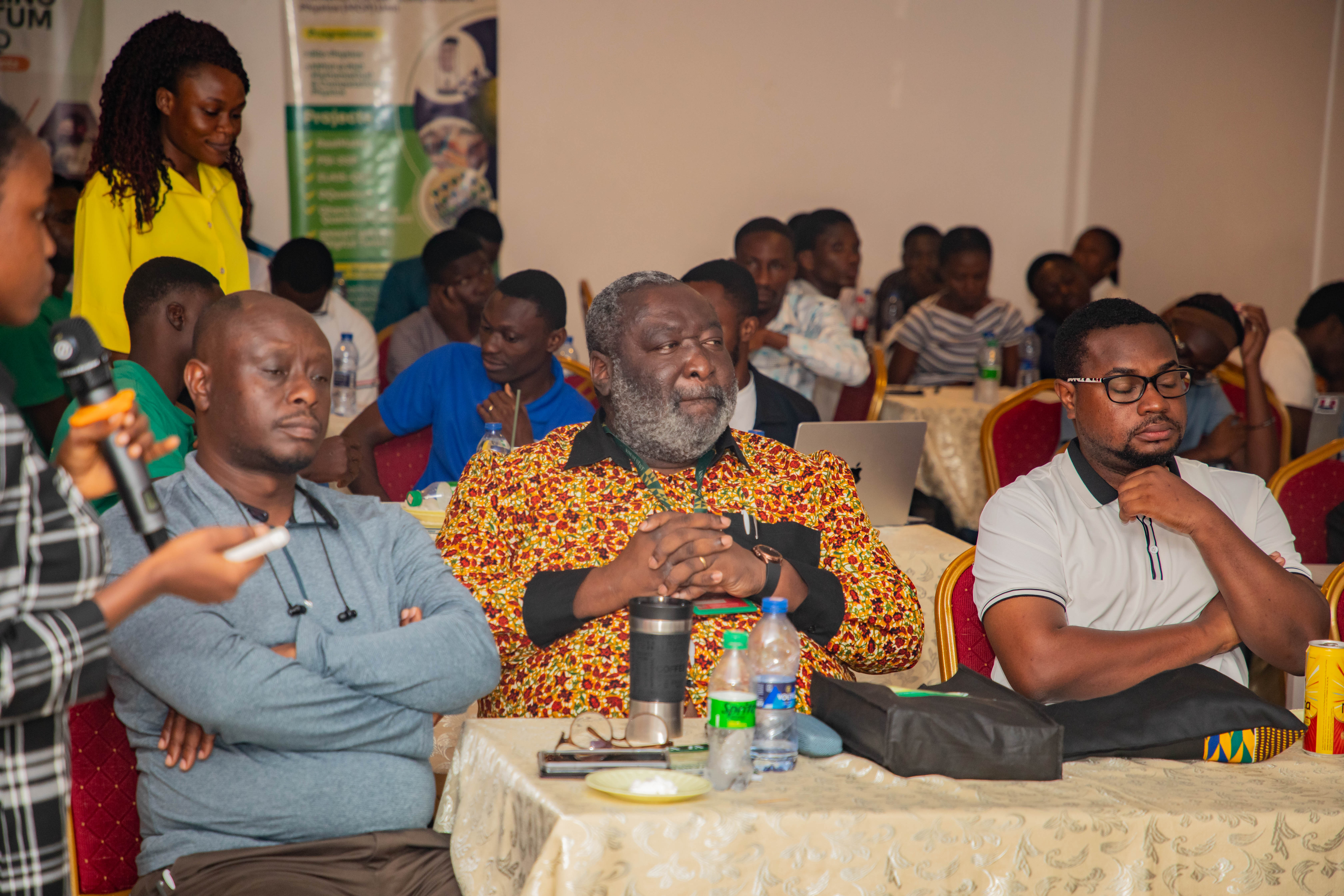
The discussions reflected the breadth of research within the Unit, including computational materials science, quantum science and technology, hydrogeological modelling, computational seismology, computational astrophysics, oceanography and smart renewable energy. A significant focus of the meeting was the need to move beyond individual research projects and build stronger connections between related areas of work.
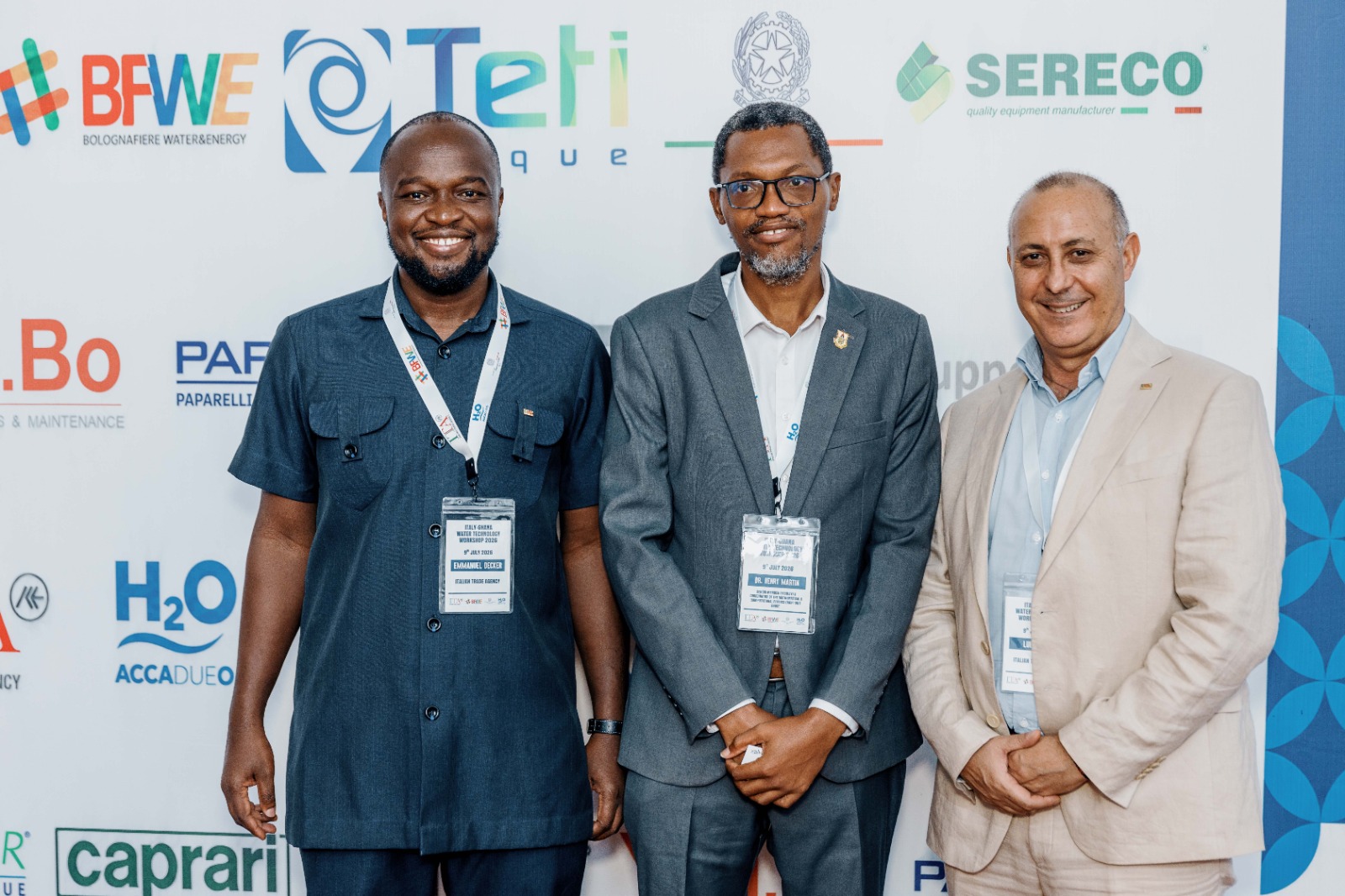
Dr. Henry Martin, Coordinator of the MCP Unit, encouraged students to engage more actively with one another and explore ways their research could contribute to broader scientific problems.
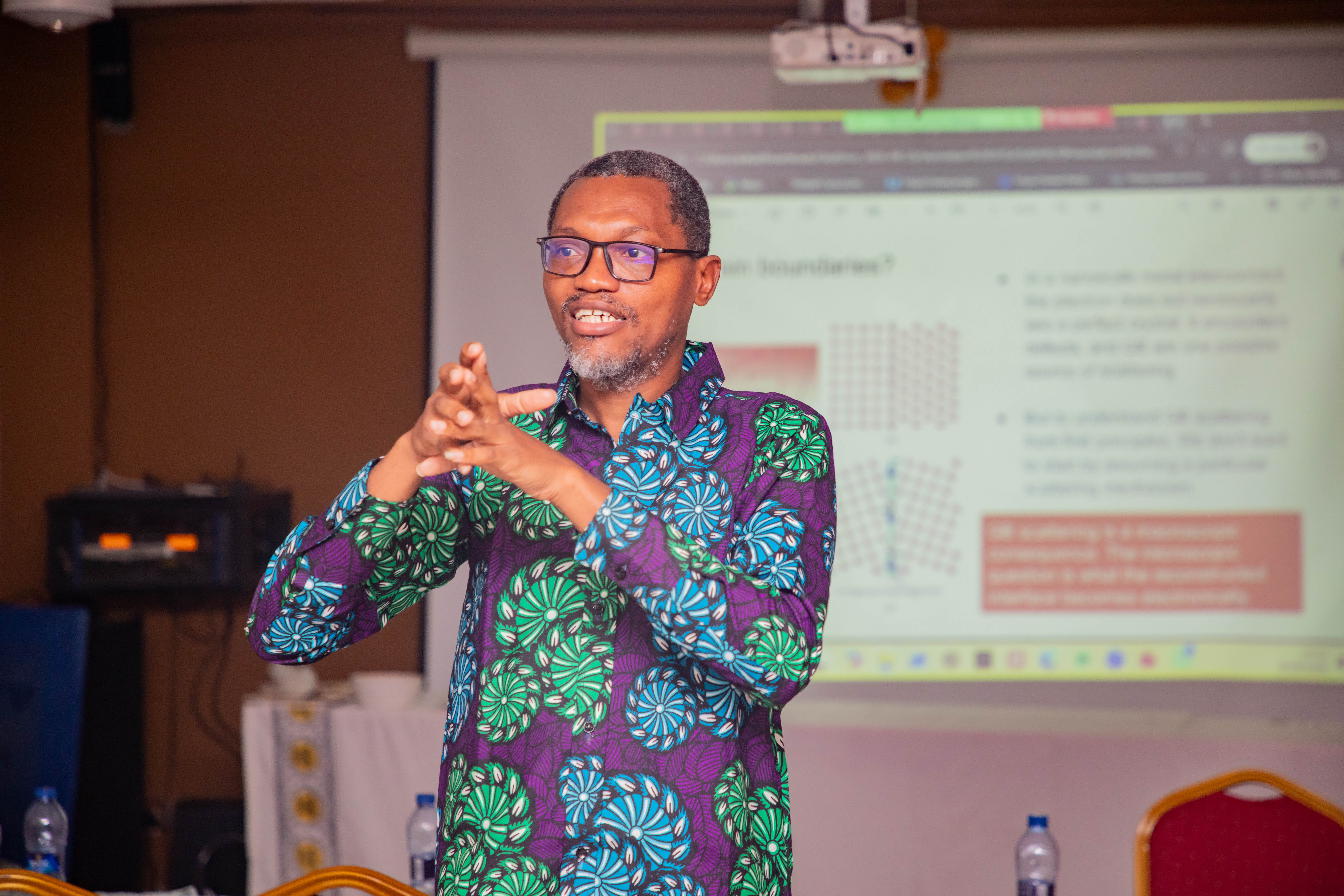
He said collaboration would allow researchers working in different specialisations to identify common challenges and develop complementary approaches to solving them.
The discussions highlighted water research as one area where such collaboration could have practical impact. Research involving computational modelling, materials and other techniques could potentially contribute to efforts to understand and address water-quality challenges The meeting also examined challenges around access to reliable data, which remains important for validating computational models and strengthening research outcomes.
Participants discussed the need for greater engagement with agencies and other institutions that generate relevant datasets, alongside efforts to develop research collaborations that can improve access to data and technical resources.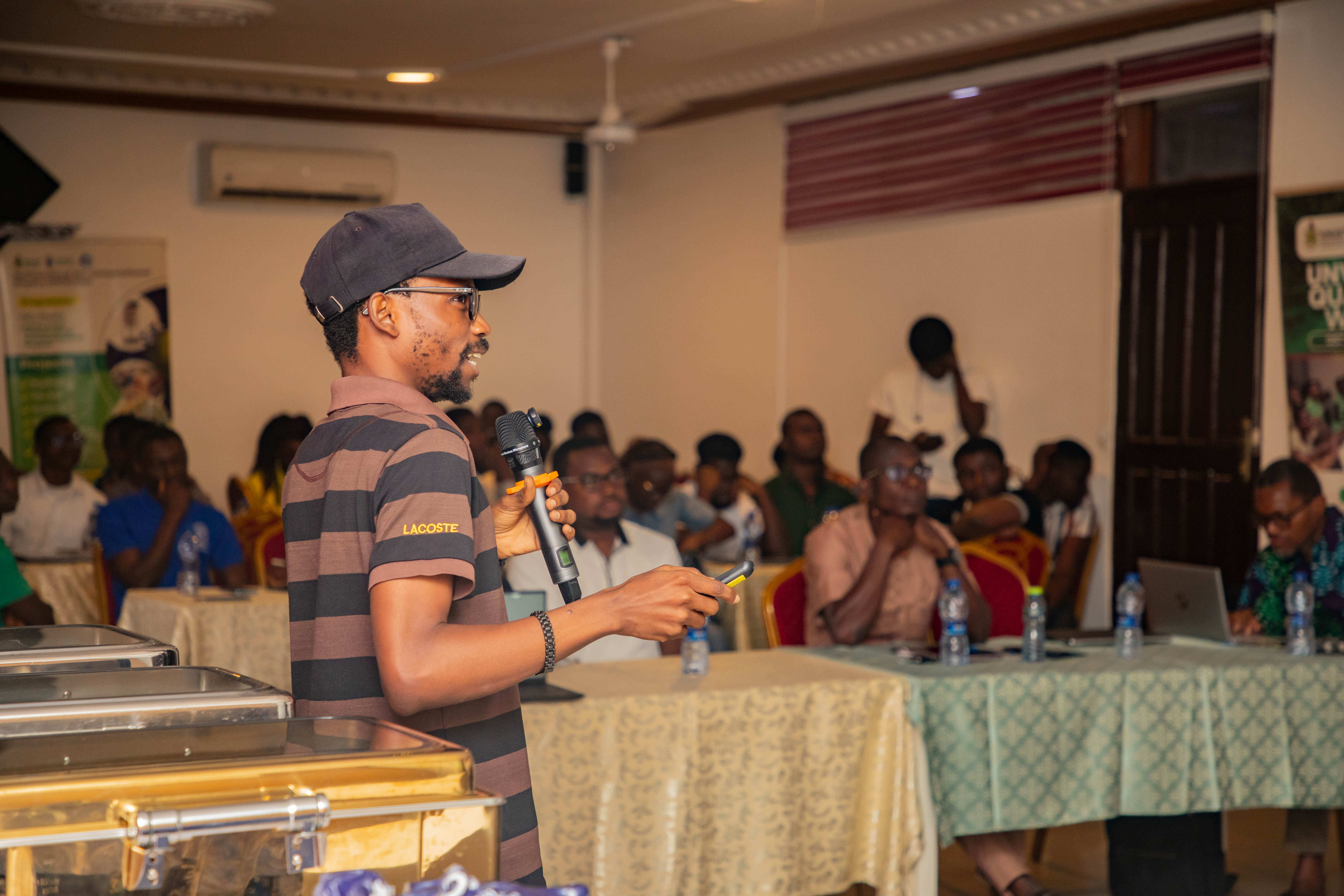
Dr Martin also urged students to approach research with patience and scientific discipline, cautioning against directly transferring parameters or findings from published studies without considering differences between experimental or physical systems.
He emphasised the importance of understanding the assumptions behind existing results and adapting them appropriately to each research context.
Beyond technical research, the meeting addressed the relationship between postgraduate students and their supervisors. Discussions stressed communication, patience and effective engagement as important elements of successful postgraduate research.
The annual meeting forms part of the MCP Unit’s broader effort to create an environment where students can present their work, receive feedback and identify opportunities to work across specialisations.